
🏢🐕 Best Apartment Dogs for Beginners: 8 Breeds That Fit (and 3 That Look Like They Do, But Don’t)
This post contains affiliate links. If you make a purchase through them, we may earn a commission at no extra cost to you. That said, we’re genuinely grateful for every purchase made through our recommendations — it really does help keep this site running.
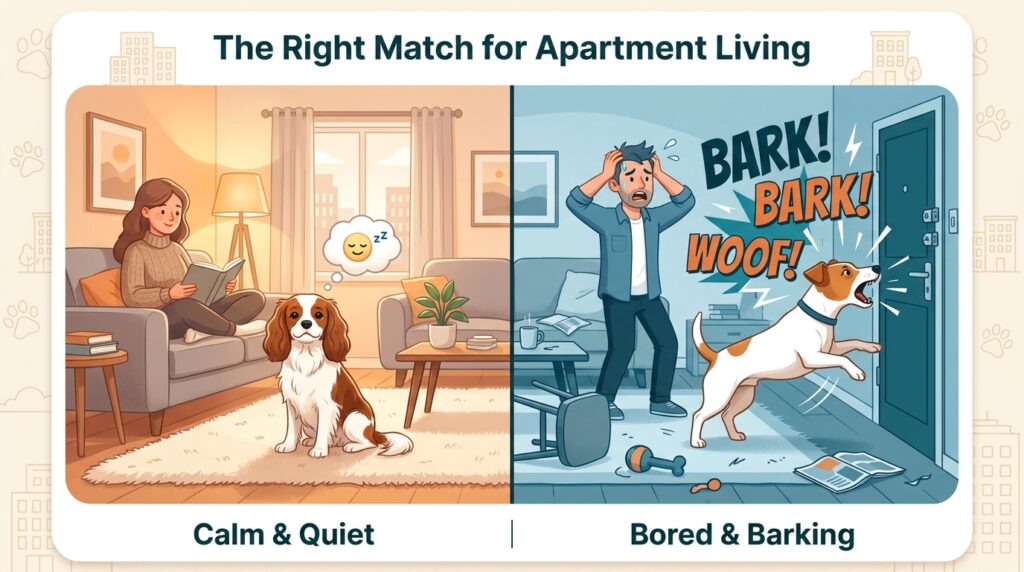
A delivery driver knocks two doors down. To you, that’s nothing. To a dog who hasn’t learned that knocking isn’t an emergency? Ten minutes of barking and one very thin wall.
That’s what the wrong dog can feel like in an apartment. And here’s the part most lists of small dogs for apartments skip: it’s rarely about size. Plenty of small dogs are loud, and some big ones sleep through the whole afternoon.
The best apartment dogs for beginners are small to medium breeds that stay calm indoors, learn quickly, and don’t bark at every hallway noise. Cavalier King Charles Spaniels, Bichon Frises, Havanese, Shih Tzus, and Miniature Poodles top many lists. Energy, noise, and tolerance for alone time matter more than pounds on the scale.
Below you’ll find the best apartment dogs for beginners: eight breeds that tend to fit small spaces well, three popular ones that can struggle, and a few tips to make the first month easier. There’s no perfect dog. But there are good matches, and you’re about to meet some of them.
🧭 What Makes a Dog Apartment-Friendly?
Square footage matters less than you’d think. These four things matter more:
Energy level. A dog with energy to burn will find a way to burn it, usually on your couch cushions. Low-energy dog breeds are much easier to keep happy with a couple of walks and some indoor play.
Noise. Shared walls turn a “chatty” dog into a neighbor problem. Breeds with a reputation for alarm barking or howling can be a tough fit in a building.
Alone-time tolerance. If you work outside the home, this one counts. Many trainers and rescues suggest adult dogs shouldn’t be left alone for more than about four to six hours at a stretch, and some breeds handle it better than others. Be honest about your schedule before you choose.
Trainability. A dog who picks up “quiet,” “settle,” and loose-leash walking quickly makes shared-building life a lot simpler. For a first-time dog owner, that forgiving learning curve makes a big difference.
One boring but important thing: check your lease. Many buildings set weight limits, ban certain breeds, or charge pet deposits and monthly pet rent. Ask before you fall in love with a photo.
Quick aside: whatever breed you pick, apartment life rewards a dog who knows a few basics, like settling on a mat while the hallway does its thing. If you’d like a structured way to teach that, 👉 Brain Training for Dogs 👈 is an online program built around mental exercise and step-by-step lessons. It’s one option, not a requirement. Keep reading either way.
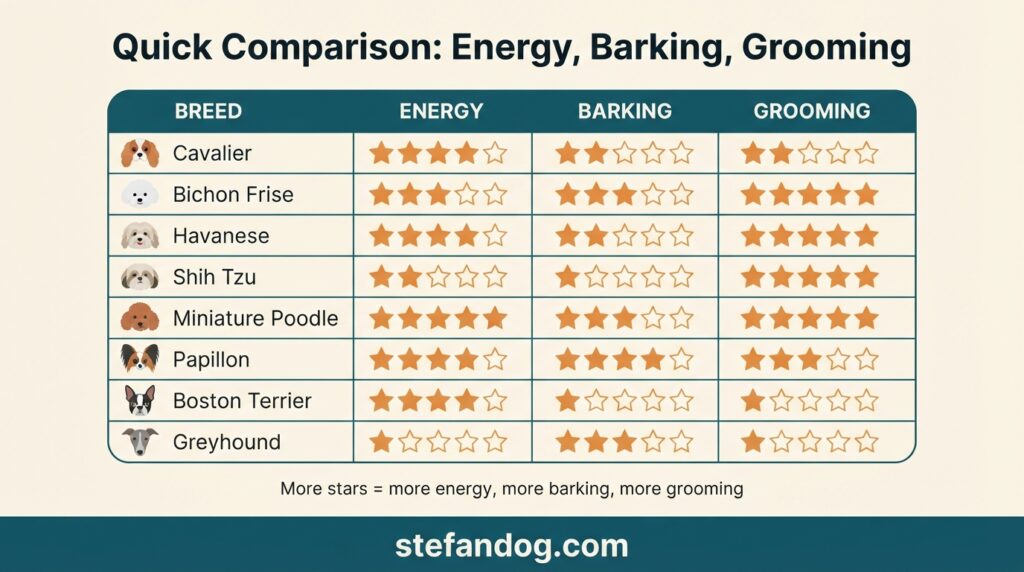
📊 Best Apartment Dogs for Beginners: Quick Comparison
| Breed | Typical weight | Energy | Barking | Grooming | Good to know |
|---|---|---|---|---|---|
| Cavalier King Charles Spaniel | 13–18 lb | Moderate | Low–moderate | Moderate | Wants company; ask breeders about heart health |
| Bichon Frise | 12–18 lb | Moderate | Moderate | High | Needs regular grooming |
| Havanese | 7–13 lb | Moderate | Low–moderate | High | Very people-oriented |
| Shih Tzu | 9–16 lb | Low–moderate | Low–moderate | High | House-training can take patience |
| Miniature Poodle | 10–15 lb | Moderate–high | Moderate | High | Smart; needs mental work |
| Papillon | 5–10 lb | Moderate | Moderate–high | Moderate | Alert; can be a barker |
| Boston Terrier | 12–25 lb | Moderate | Low | Low | Flat-faced; sensitive to heat |
| Greyhound | 60–70 lb | Low indoors | Low | Low | Needs short sprints in a secure area |
Ranges are typical, not guarantees. Individual dogs vary a lot.
🐾 The 8 Best Apartment Dogs for Beginners
1. Cavalier King Charles Spaniel
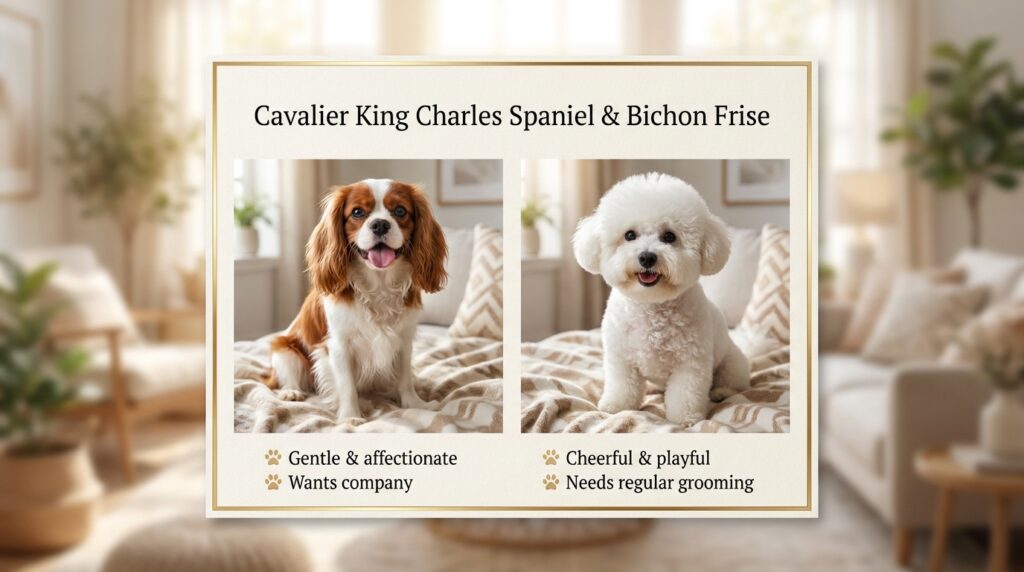
Gentle, affectionate, and happy to curl up next to you. Cavaliers adapt well to small spaces and usually get along with kids and other pets. The catch: they don’t love being alone for long stretches. Heart disease is also a known concern in the breed, so ask any breeder about health testing.
2. Bichon Frise
Cheerful and sturdy, with a “life is great” attitude. Bichons are playful without being wild, and they do well in small homes. They need regular grooming, and house-training can take patience, so plan for consistency.
3. Havanese
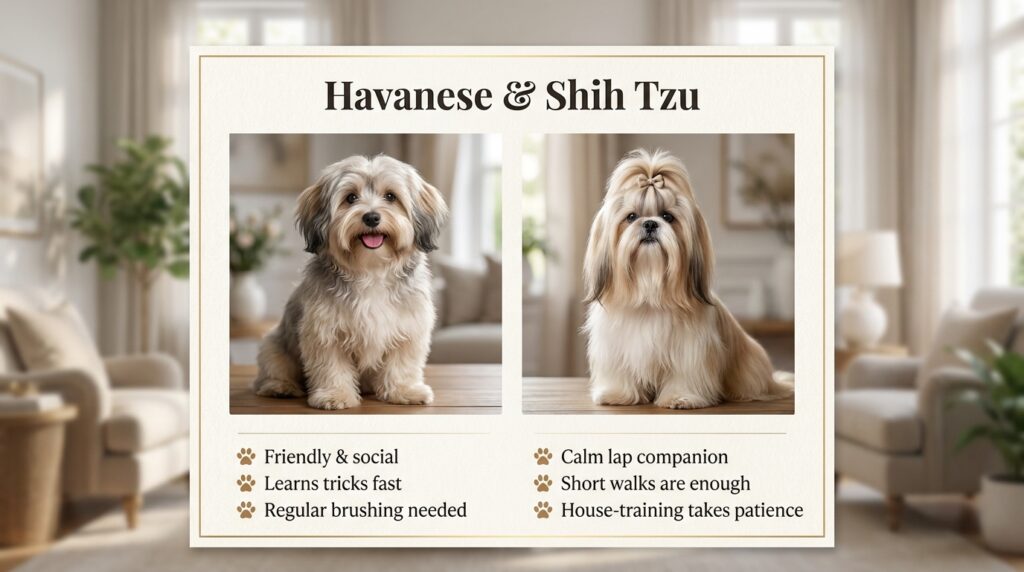
A friendly, people-loving small dog who picks up tricks fast. Havanese do best when someone’s around a lot, so they suit remote workers better than people who are out all day. The long coat needs regular brushing.
4. Shih Tzu
Bred as companions, Shih Tzus are happy with short walks and plenty of lap time. They can have a stubborn streak, especially with house-training. Not a dog for long hikes. A great one for a calm routine.
5. Miniature Poodle
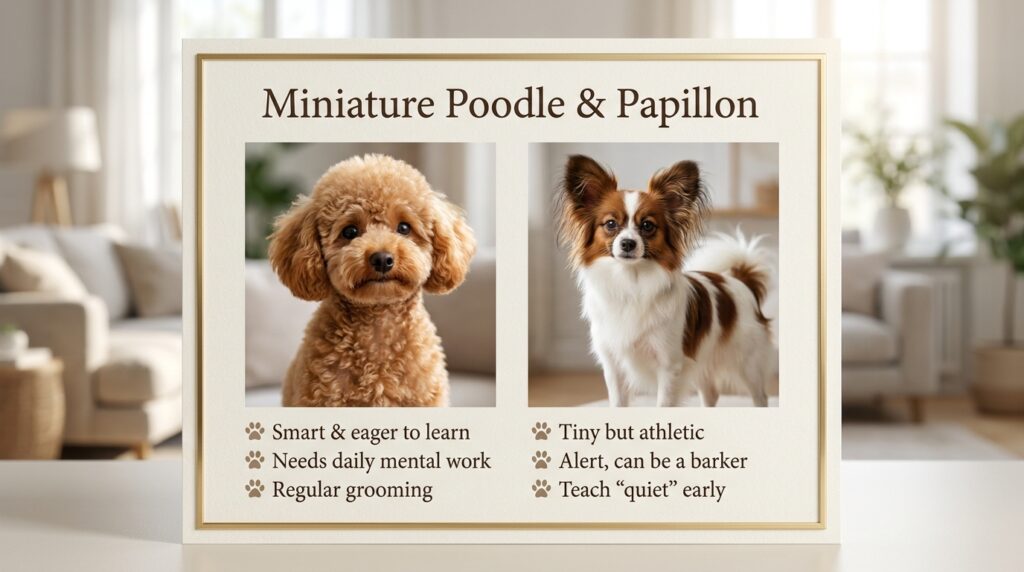
Smart, eager, and quick to learn, which makes the Mini Poodle a strong pick for a first-time dog owner who enjoys training. But smart dogs get bored fast. Give them puzzle toys and short training sessions every day, or expect some creative mischief.
6. Papillon
Tiny, bright, and surprisingly athletic. Papillons love learning and don’t need much space. They can also be alert barkers, so teach “quiet” early and reward calm.
7. Boston Terrier
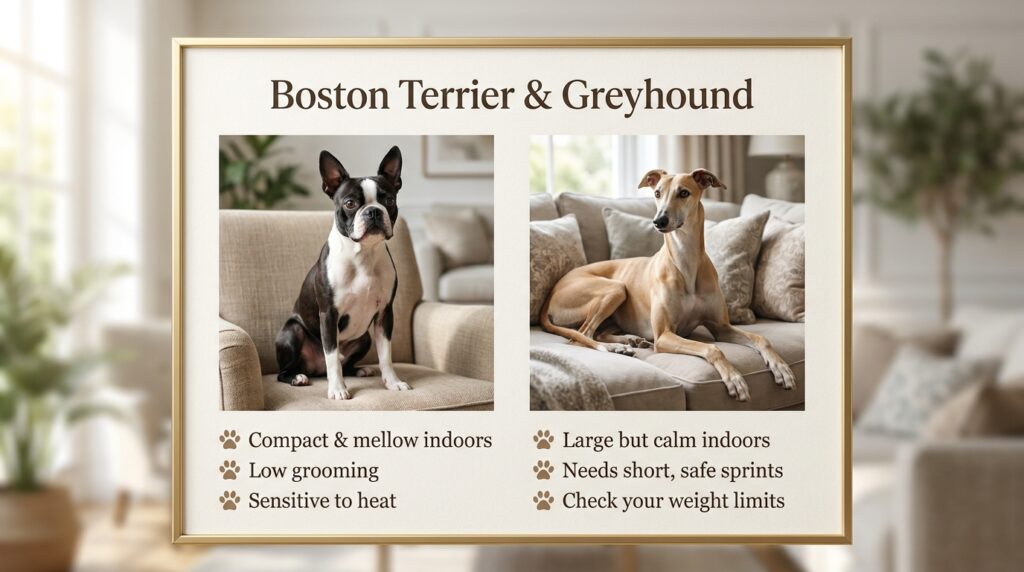
Compact, mellow indoors, and usually on the quieter side. The short coat means little grooming. Their flat faces, though, make them sensitive to heat and hard exercise, so skip the midday summer walks.
8. Greyhound
Plot twist: a big dog on the list. Retired racing greyhounds are often calm, quiet indoor companions who sleep a lot. They do need a few safe sprints in a fenced area, and their chasing instincts mean a secure leash around small animals. Retired racers may also need to learn stairs. And check your lease for weight limits first.
Picking the breed is half the job. The other half is what happens in the first few weeks. Smart dogs that don’t get enough mental exercise often bark, chew, or invent their own entertainment. A few minutes of brain games a day can help. If you’d like ideas with a plan behind them, 👉 Brain Training for Dogs 👈 is built around that kind of mental work. Handy if you like structure, skippable if you don’t.
⚠️ 3 Popular Picks That Can Struggle in Apartments
These dogs are small enough to look perfect on paper. In real life, they can be a tough match for a first-time dog owner in a shared building. Not bad dogs. Just dogs with big needs in small packages.
Jack Russell Terrier. Tiny body, enormous engine. Without serious daily exercise and a job to do, a Jack Russell can turn your living room into a construction site.
Beagle. Lovable, but scent hounds like Beagles are known for baying and howling, and they follow their noses everywhere. Your neighbors may hear about it.
Chihuahua. Small, yes. Quiet, not always. Many Chihuahuas are alert barkers, and house-training can take a long time. Great for some owners, but not the easiest start.
Every dog is an individual, and training matters a lot. But if quiet and easy matter most, start with the best apartment dogs for beginners above.
✅ How to Choose From the Best Apartment Dogs for Beginners (5 Steps)
- Read your lease. Check weight limits, breed restrictions, and pet fees before you start browsing.
- Count your hours away. Be honest about how long the dog would be alone on a normal workday.
- Match energy to your real life. If you’re a walks-and-Netflix person, pick an apartment-friendly dog with low energy, not the dog you wish you had the energy for.
- Meet the breed first. Talk to owners, visit a rescue, or try fostering. Ten minutes with a real dog beats ten articles.
- Consider an adult dog. With a puppy, personality is a guess. With an adult, what you see is closer to what you get.
🏙️ Making Apartment Life Work (Your First Month)
You picked one of the best apartment dogs for beginners. Now set everyone up to succeed.
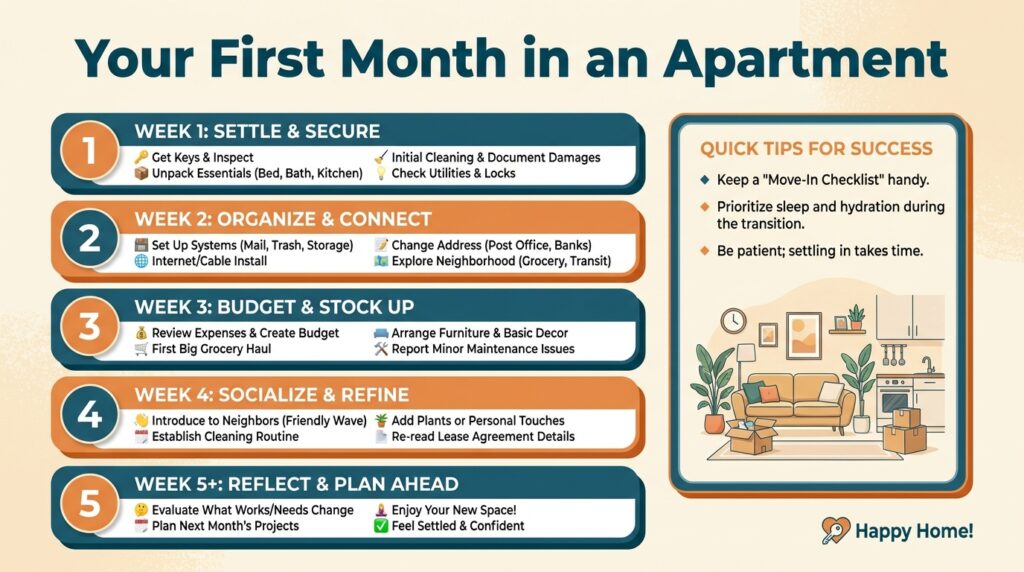
- Plan potty breaks. Stairs and elevators make “I need out now” harder. Puppies need frequent trips, so build your day around them.
- Walk and think. Two or three walks plus short play sessions help. Sniffing counts as exercise too, so let your dog explore. Add puzzle feeders or short training games for the mental side.
- Teach “quiet” early. Reward calm. Show your dog what you want instead of only reacting to barking. Frosted window film on low windows can cut down on street triggers.
- Practice being alone. Start with a few minutes, then build up slowly. Don’t leave a new dog for hours on day one.
- Say hi to the neighbors. A friendly heads-up goes a long way if there’s a bark or two while your dog adjusts.
None of this is magic. It’s repetition, patience, and a decent routine. Many dogs settle in after a few weeks. Some take longer. That’s normal.
🐶 The Bottom Line
The best apartment dogs for beginners aren’t always the smallest. They’re the ones whose energy, noise level, and alone-time needs match your life. A Cavalier, a Havanese, or even a laid-back Greyhound can thrive in a one-bedroom. A Jack Russell might not.
Start with your lease and your schedule. Then pick the breed that fits them, not the one with the cutest photo. No perfect dog exists, but a good match does.

💬 One More Thing Before You Go
Once your dog’s home, the basics matter most: settling, calm greetings, walking without pulling. If you’d like a guided plan for those, 👉 Brain Training for Dogs 👈 is there when you want it. No countdown timers here. You can start tonight, or after the first week of getting to know each other.
Whichever way you go, welcome to the club. Your neighbors are about to meet someone new. Here’s hoping it’s a quiet one.